18,420
Students reached through direct and school-wide programming
Impact & Reports
This page brings together our annual reporting practice: student outcome trends, implementation notes, case evidence, and the governance standards that shape how Suffe operates with schools and municipal partners.
2025 Snapshot
Suffe publishes outcome data in the same structure each year so municipal buyers, funders, and school leaders can compare progress across delivery cycles without changing definitions midstream.
Students reached through direct and school-wide programming
Participants reporting greater attendance stability
Referral pathways resolved within target response windows
Guardian confidence in school-family coordination
Evidence in Context
Our reports document not only what improved, but which school routines, coordination practices, and community conditions made improvement durable.

Quarterly data showed the strongest gains during the first six weeks after school transition when mentoring, guardian outreach, and daily routines were activated together.
Transition support remained one of the most predictive factors for sustained attendance.

Schools that embedded breakfast access, calm start-of-day check-ins, and movement breaks recorded stronger classroom readiness and fewer unresolved support cases.
Operational consistency mattered more than one-off campaigns or stand-alone events.
Annual Reports
This continuity allows procurement teams, donors, and internal program leads to compare outputs, efficiency, and implementation quality year over year.
Case Studies
These highlighted cases draw from participant records, school observations, partner debriefs, and delivery logs reviewed during the annual reporting cycle.

-31% escalation rate
Sites that combined mentor check-ins with structured study sessions saw fewer cases escalate into prolonged attendance disruption.

88% positive response
Students reported stronger confidence that school staff and families were acting on shared plans instead of disconnected referrals.

+22 point gain
Upper-secondary transition cohorts participating in peer-led orientation activities reported higher belonging and lower dropout-risk flags.
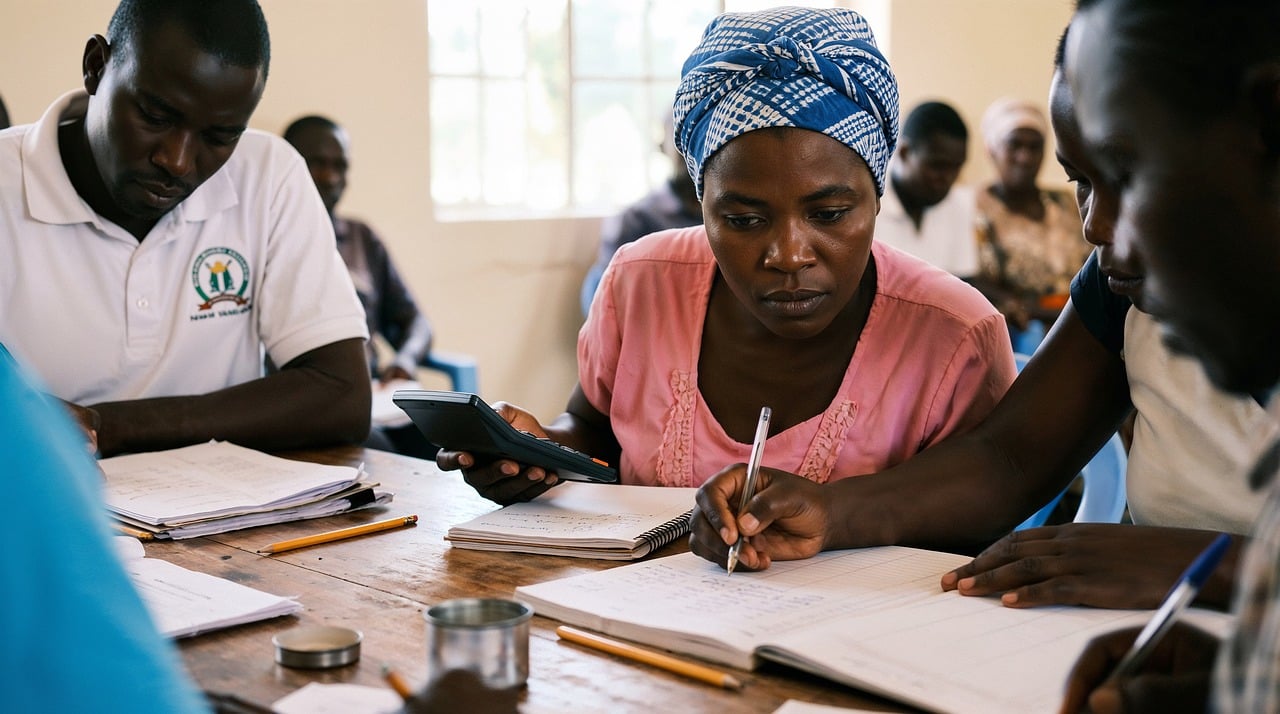
79% sustained follow-through
When support plans were tied to daily classroom structures, students were more likely to maintain progress after the formal intervention window closed.
Methodology
Data collection is designed to be operationally useful during delivery, then publication-ready at year end without rebuilding the evidence base from scratch.
Field Documentation
Alongside charts and summaries, our reports document the shared spaces where attendance recovery, health promotion, and academic persistence are built day by day.