Get Involved

Join the people, schools, and partners building healthier learning environments.

Suffe depends on practical collaboration. Students, guardians, educators, municipalities, volunteers, and funders each play a direct role in making attendance support, wellbeing routines, and community trust work at school level.

Ways to Participate

There are multiple entry points depending on the responsibility you want to take on.

Some supporters contribute direct time with young people, while others help open institutional pathways, fund implementation, or host student-led initiatives in their own schools and neighborhoods.

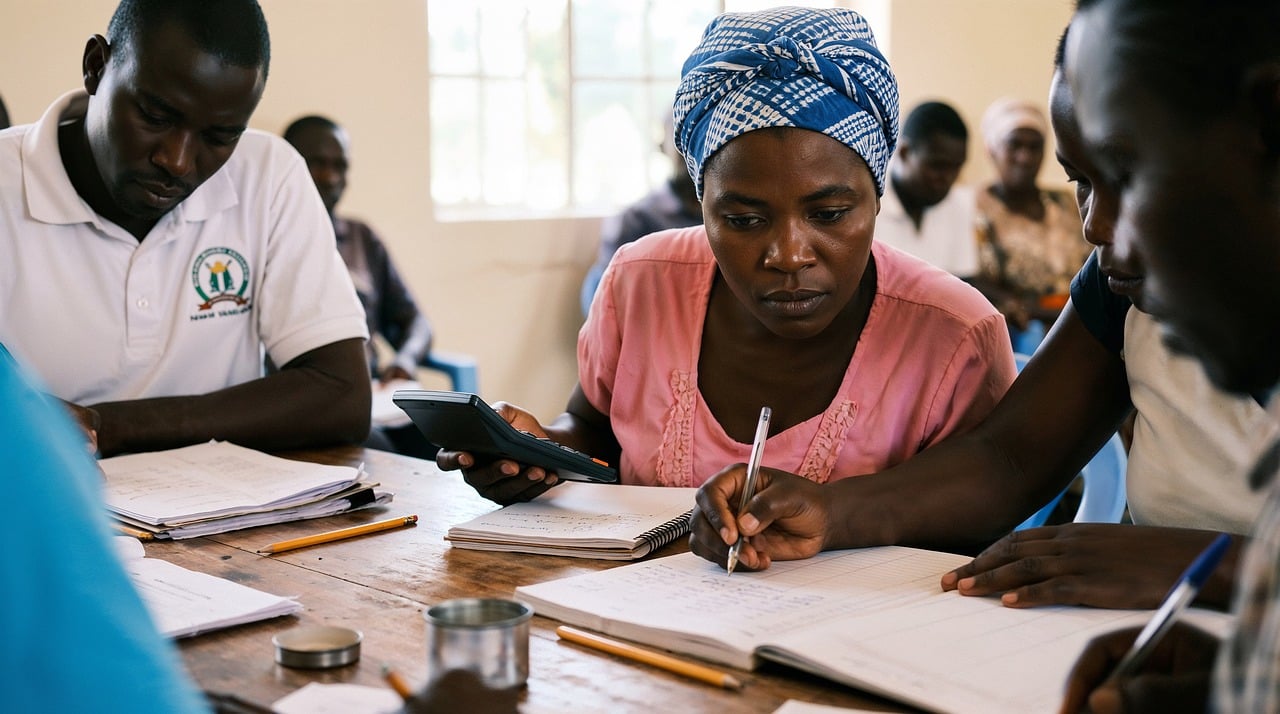
Students and facilitators gathered during a collaborative community session

Volunteer with local cohorts

Support after-school workshops, orientation days, study routines, and family welcome sessions. Volunteers are most useful when they can show up consistently and work inside established safeguarding practices.

Time commitment: 4-6 hours / month Training and screening required

Best for mentors, students, guardians, and community members who want direct engagement.

Group discussion between young people and adult facilitators

Partner as a school or municipality

Bring Suffe methods into attendance recovery, school start routines, referral coordination, and peer leadership. Partnerships begin with a planning conversation and a clear delivery scope.

Implementation cycles: term-based Planning with leadership teams

Designed for principals, student health teams, and municipal education leaders.

Student leaders speaking outdoors with participants

Apply for student leadership roles

Young people can help shape orientation, belonging, and participation culture in their own schools. Fellows receive coaching, planning support, and a documented service track.

Applications: open each spring Upper-secondary focus

Ideal for students ready to convene peers and lead visible projects.

Students working together in a facilitated classroom workshop

Fund a specific delivery track

Funders can back training cohorts, municipal pilots, family navigation work, or student microgrants. Every contribution is connected to defined outcomes and transparent reporting.

Reporting: quarterly and annual Restricted and unrestricted support accepted

Appropriate for philanthropic funders, CSR teams, and civic donors.

Participation Journey

Most involvement starts small, then becomes structured once the fit is clear.

We prefer practical onboarding. That means a short intro call, a review of role expectations, and a shared understanding of where your contribution sits in relation to students, staff, and local partners.

Step 1

Introduce your interest

Share whether you are approaching as a volunteer, school, municipal team, student leader, or funding partner.

This helps route you to the correct team immediately.

Step 2

Review the role and safeguards

We confirm expectations, time commitment, data handling boundaries, and what student-facing work requires formal screening.

No one is placed informally into sensitive environments.

Step 3

Join orientation and planning

Participants receive materials, meeting dates, and points of contact so implementation starts with shared language and practical clarity.

Orientation is adapted to each involvement type.

Step 4

Deliver, review, improve

We track participation, outcomes, and follow-up actions so involvement remains useful instead of symbolic.

Feedback loops are part of the model, not a courtesy add-on.

Community in Practice

The work is local, visible, and built around real school rhythms.

These scenes reflect the settings where involvement usually happens: campus pathways, team planning rooms, and student-centered environments where trust grows through repeated contact.

Priority Roles

We are usually looking for support in four concrete areas.

If one of these roles fits your experience, it is the fastest path into useful participation. If not, we can still route you toward a contribution that matches your capacity.

Community Mentor

Show up for workshops, transition sessions, and study culture activities with a calm, dependable presence.

Best fit: volunteers and alumni Focus: relationship continuity Express interest

School Implementation Partner

Help adapt Suffe routines inside a school, from attendance follow-up to family communication and peer leadership support.

Best fit: principals and student health staff Focus: operational rollout Start a partnership

Student Fellow

Lead welcoming, orientation, and belonging activities that make it easier for younger students to stay engaged.

Best fit: upper-secondary students Focus: peer leadership Apply to join

Next Step

Choose the contact path that matches your involvement type.

Clear routing matters. It reduces delay, gets you the right materials faster, and keeps each conversation anchored to an actual decision or role.